
Drawings, specification and scope
You do not need every detail finalised before you get in touch. Complete drawings help, but an early budget can start from what you already have. Where available, send the structural engineer's drawings and general arrangements, architectural layout, sections and elevations, a model if you have one, and details of the existing structure where the work is an alteration or extension.
The specification sets the standard of manufacture, materials and finishes, including execution class, corrosion protection and fire protection. It also needs to say whether the quotation includes supply and delivery only, design coordination and detailing, metal decking, shear studding, secondary steelwork, priming, galvanising or intumescent coatings, and erection. How execution class is confirmed.
Tonnage, connections and finishes
If the approximate tonnage is known, include it, or send a material schedule or bill of quantities. If it is not known, the drawings can be reviewed to establish the likely extent. Tonnage alone does not set the price. Connections, fabrication, finishes, delivery and installation conditions all move it.
The quotation should say who is responsible for each stage. Often the structural engineer provides the primary design and the connection loads, and the steelwork contractor arranges connection design and fabrication drawings. Finishes should be named early: shop primer, hot-dip galvanising, intumescent fire protection, or another specified system. If the finish is not confirmed, the quotation should state the basis of the price.
Delivery, erection and dates
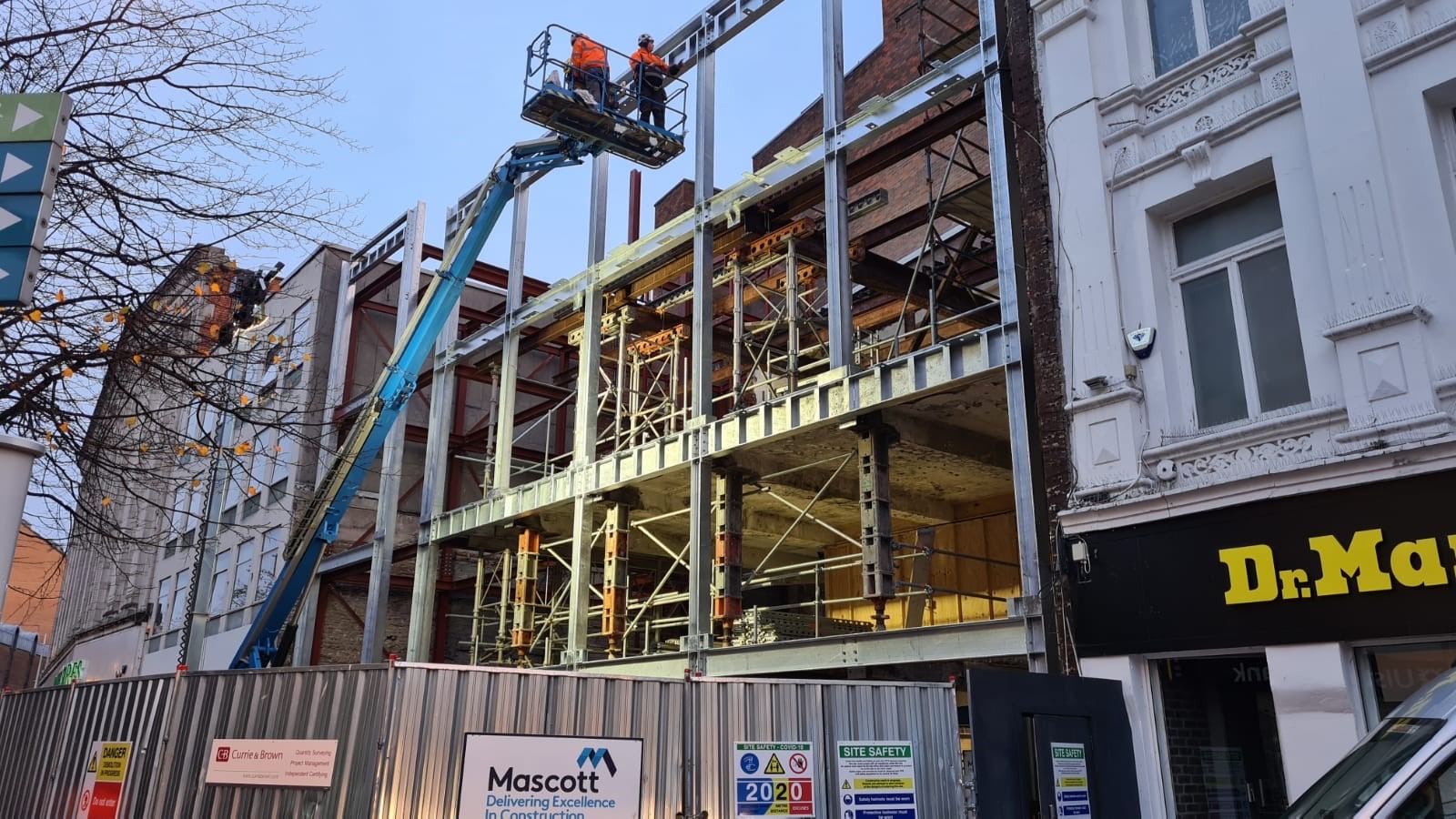
Useful site information includes location, delivery arrangements, restrictions, unloading, vehicle access and working hours. For alterations, access routes, lifting limits and surrounding operations matter. If erection is required, say so. The price depends on the extent of the steel, the duration, access, lifting and sequence. For smaller projects, supply only is often the practical option.
Please give the tender return date, the likely appointment, drawing approval dates, target deliveries and the planned start of erection. For larger projects, early engagement allows time for design coordination, connection design, detailing, approvals, procurement and fabrication. Send the drawings you have.